Infinity Journal is a peer-refereed open-access journal which has been established for the dissemination of state-of-the-art knowledge in the field of mathematics education. This journal is founded under the collaboration between the IKIP Siliwangi and Indonesian Mathematics Educators' Society (IMES). All submitted manuscripts will be initially reviewed by editors and are then evaluated by a minimum of two International Reviewers through the double-blind review process. This is to ensure the quality of the published manuscripts in the journal.
The Infinity Journal welcomes high-quality manuscripts resulted from a research project in the scope of mathematics education, which includes, but is not limited to the following topics: Mathematics Ability, Realistic Mathematics Education, ICT in Mathematics Education, Design/Development Research in Mathematics Education, and Ethnomathematics. The manuscript must be original research, written in English, and not be simultaneously submitted to another journal or conference.
Starting from Volume 14, Issue 1 (2025), Infinity Journal publishes four issues in one volume - 4 issues per year (February, May, August, and November)
Journal Information
| Journal title | : | Infinity Journal |
| Initials | : | IJ |
| Abbreviation | : | Inf. J. |
| Frequency | : | Starting from Volume 14, Issue 1 (2025), Infinity Journal publishes four issues in one volume - 4 issues per year (February, May, August, and November) |
| DOI | : | 10.22460/infinity by  |
| Print ISSN | : | 2089-6867 |
| Online ISSN | : | 2460-9285 |
| Editor-in-chief | : | Prof. Dr. Heris Hendriana |
| Managing Editor | : | Prof. Dr. Wahyu Hidayat |
| Publisher | : | IKIP Siliwangi and Indonesian Mathematics Educators' Society (IMES) |
| Citation Analysis | : | Scopus | Sinta | Google Scholar | Dimensions | DOAJ |
Editorial Process
Submission to First Decision: 1 - 12 weeks
Submission to Acceptance: 8 - 24 weeks
Acceptance to Publish: 4 - 16 weeks
Before Submission
The author has to ensure the manuscript has been prepared using Infinity Template following the author guidelines. The single author's paper is just for the invited author or the author with a great reputation for research or publication in mathematics education. The manuscript should also have been carefully proofread and similarity checked (the proofreading certificate and similarity check result must be attached as a supplementary file in the submission process). Apart from that, the author must also attach an Authorship Form signed by all authors (Download Authorship Form).
Any manuscript which does not meet the author's guidelines, focus, and scope, is written in a different format, or has poor soundness of English will be immediately rejected. The only manuscript which meets the Infinity standard will be processed further.
-
 Preview | Mar 14, 2026
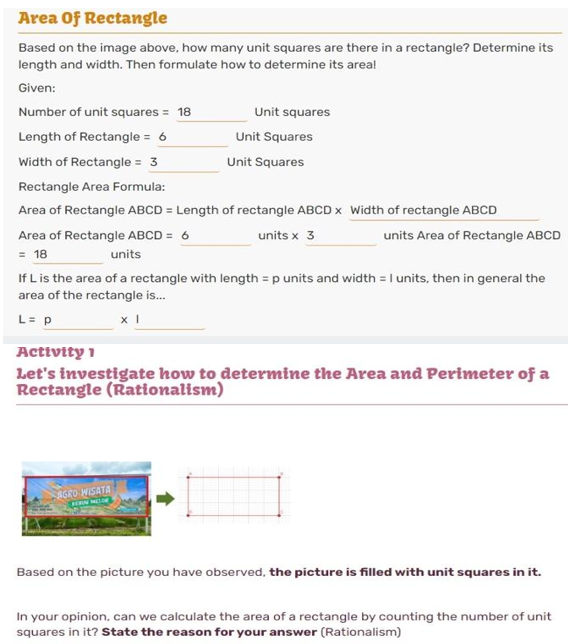
Digital geometry worksheets with an agro-tourism context: A catalyst for rational thinking in generation alpha
 Abstract views: 0
 PDF downloads: 0
319-344 Pages
 Nyimas Aisyah, Hapizah Hapizah, Meryansumayeka Meryansumayeka, Siti Mistima Maat
Implementing the Merdeka curriculum and strengthening character are necessary to foster rationalism in the Alpha generation, which is highly dependent on technology. One way is to develop geometry teaching materials based on the local agrotourism context, which has been proven effective in...
-
 Preview | Mar 15, 2026
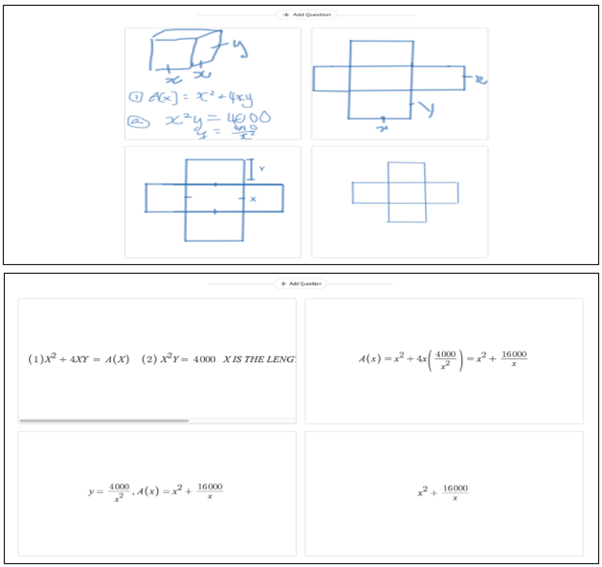
Design-based research on instructional lessons for differential calculus incorporating Desmos
Abstract views: 0
PDF downloads: 0
345-370 Pages
Tiew Mee Chien, Kwan Eu Leong, Kah Heng Chua
Malaysian students have experienced considerable challenges in mastering calculus in recent years, with over 40% failing to attain a credit grade in mathematics. While technology like Desmos can enhance understanding, educators need insights into how students develop conceptual knowledge in...
-
 Preview | Apr 3, 2026
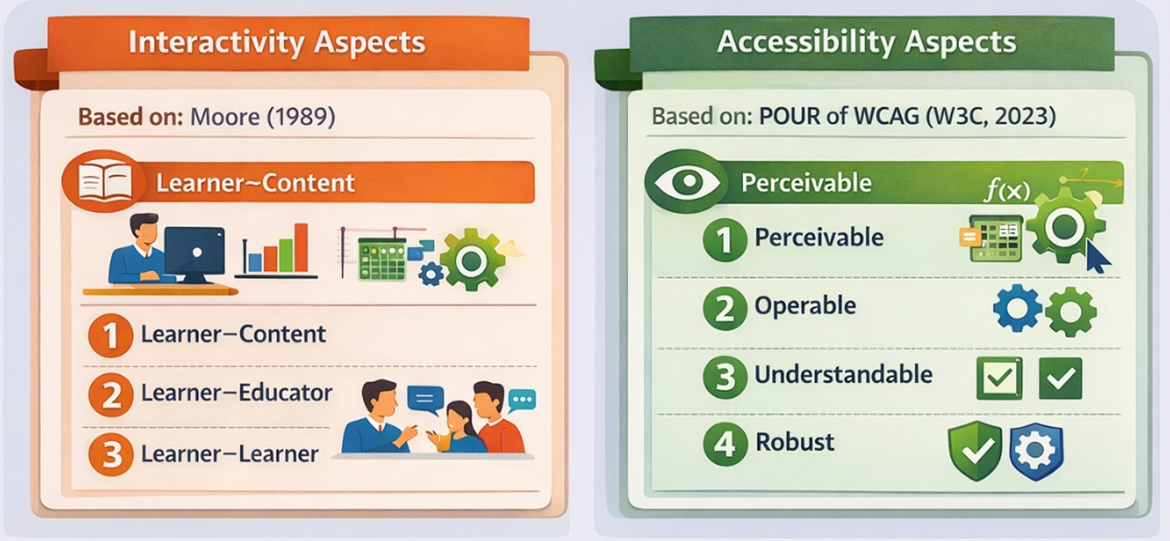
Interactivity and accessibility in TPACK-integrated e-learning to enhance the quality of calculus learning
Abstract views: 0
PDF downloads: 0
371-390 Pages
Andi Alim Syahri, Irwan Akib, Sukmawati Sukmawati
The quality of Calculus learning in higher education remains a challenge, as instructional practices tend to be predominantly procedure-oriented, thereby limiting opportunities for meaningful learning interactions and for concept visualization that supports conceptual understanding. This...
-
 Preview | Apr 12, 2026
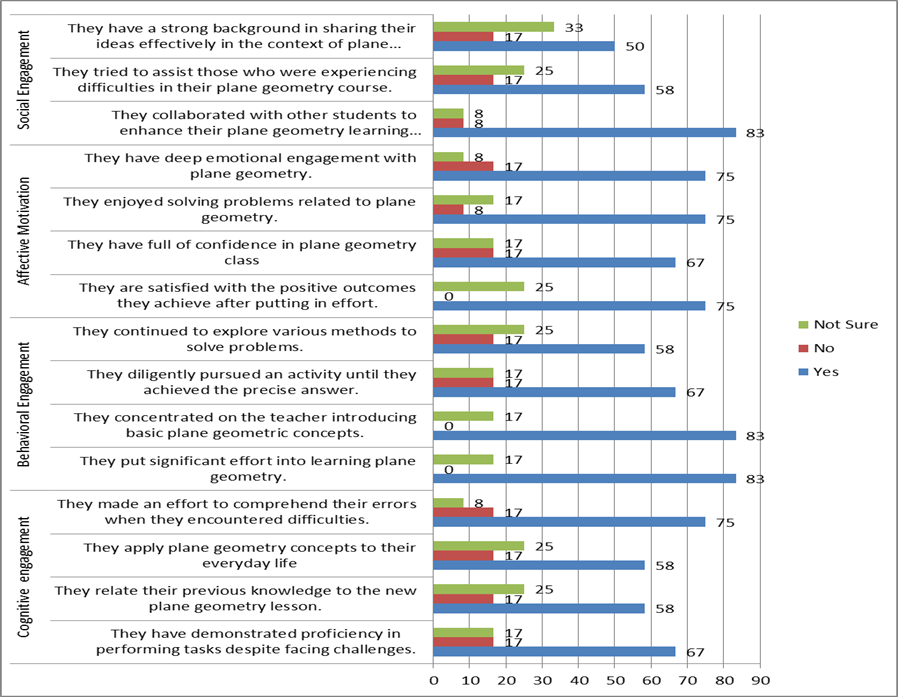
Effect of Van Hiele group guided-discovery instructional approach on student engagement in learning plane geometry
Abstract views: 0
PDF downloads: 0
391-420 Pages
Alemayehu Anbess Gebremeskel, Mulugeta Atnafu Ayele, Adem Mohammed Ahmed
Learning geometry involves using visual manipulatives, mathematical formulas, and verbal explanations to foster critical thinking, deductive reasoning, and problem-solving skills, thereby ensuring understanding of mathematical concepts. Despite this relevance, secondary school students'...
-
 Preview | Apr 12, 2026
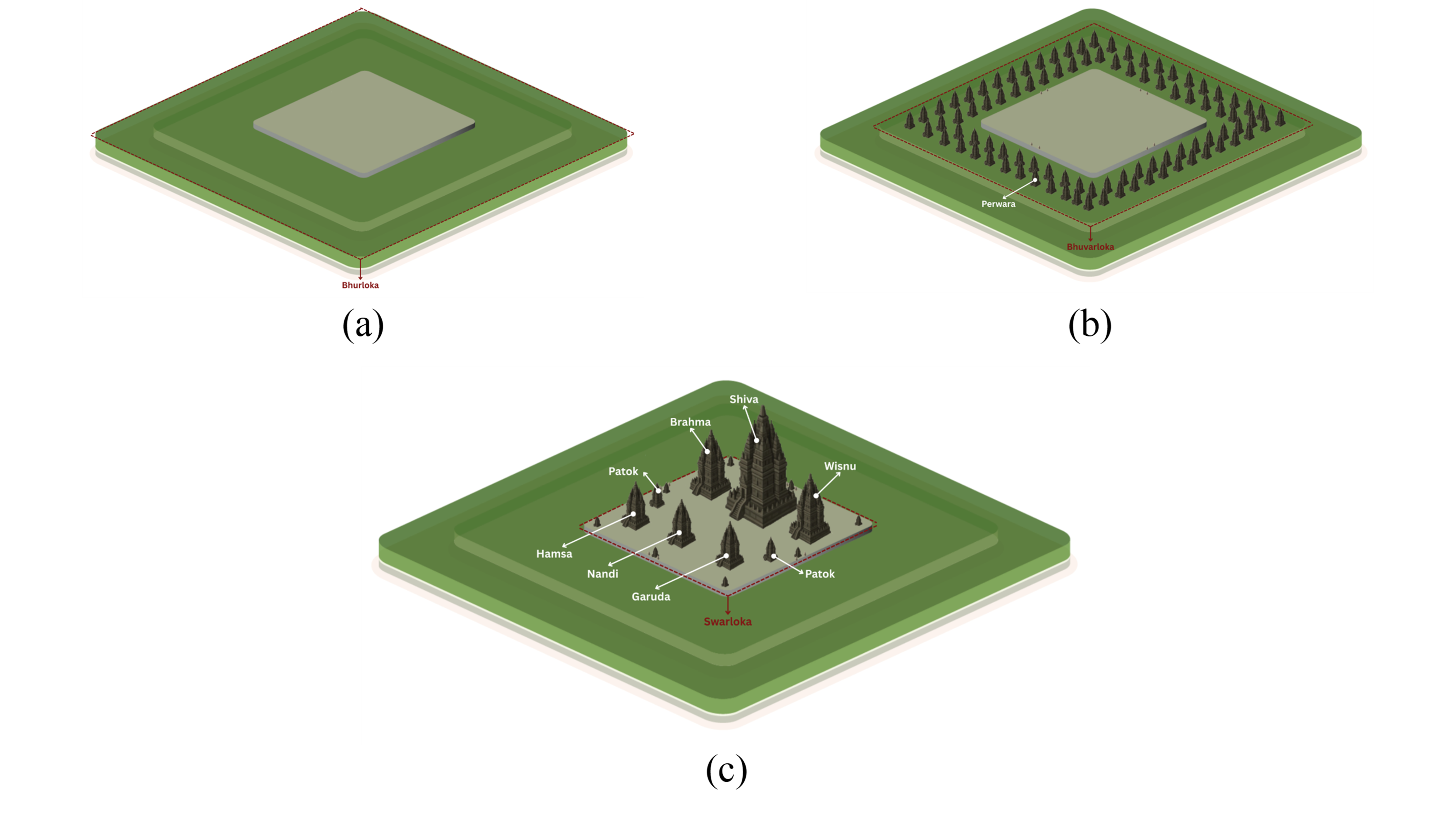
Cultural heritage as a mathematical context: Interpretation of set theory in spatial layout of Prambanan temple
Abstract views: 0
PDF downloads: 0
421-438 Pages
Rully Charitas Indra Prahmana, Irma Risdiyanti, Nur Robiah Nofikusumawati Peni, Satoshi Kusaka, Khairullah Khairullah, Rahmi Ramadhani, Binti Anisaul Khasanah, Lekë Pepkolaj
Mathematics is often perceived as culturally neutral and detached from its social and historical foundations, leading to the neglect of cultural heritage rich in mathematical ideas. This study investigates how the concept of sets is reflected in the spatial layout of the Prambanan Temple...
-
 Preview | Apr 18, 2026
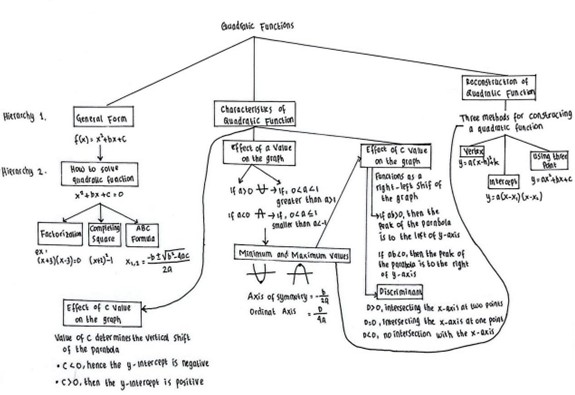
Examining mathematics teachers’ perceptions of concept mapping to facilitate meaningful learning
Abstract views: 0
PDF downloads: 0
439-462 Pages
Rahmah Johar, Cut Khairunnisak, Cut Morina Zubainur, Abdul Halim Abdullah, Liza Indriyani
Concept maps enhance the quality of learning, as they can promote meaningful learning. However, teachers rarely integrate concept maps into their instructional practices. This study aims to explore teachers’ perceptions of using concept maps to support meaningful learning. This study employed...
-
 Preview | Apr 19, 2026
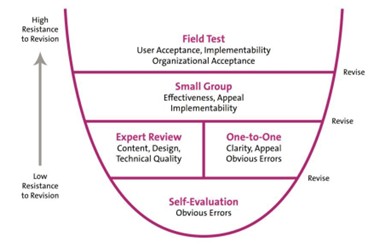
Developing a TPACK-based e-module for first order differential equations to enhance the pedagogical competence of pre-service mathematics teachers
Abstract views: 0
PDF downloads: 0
463-482 Pages
Ika Meika, Nenden Suciyati Sartika, Asep Sujana, Hasbi Assidik, Ika Safitri Windiarti, Rully Mujiastuti, Hendra Hendra
Efforts to strengthen the professional competence of future mathematics teachers call for the development of instructional materials that effectively integrate technology. This study aims to develop an e-module based on Technological Pedagogical and Content Knowledge (TPACK) for differential...
-
 Preview | Apr 21, 2026
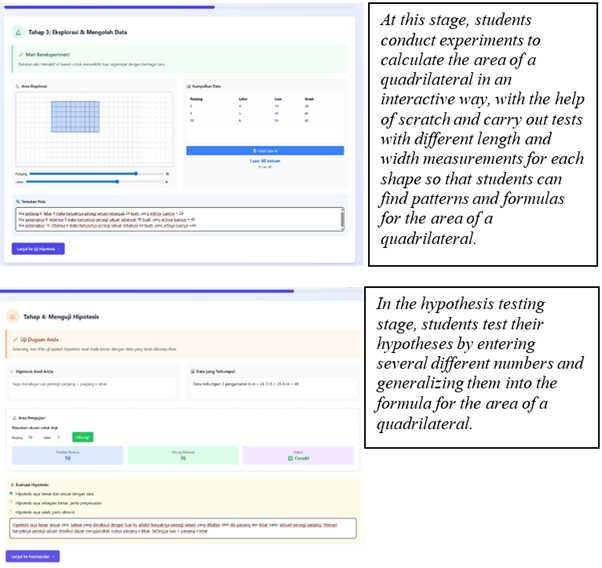
E-Miracle: An inquiry-realistic digital module to support students’ 6C competencies
Abstract views: 0
PDF downloads: 0
483-508 Pages
Risma Amelia, Tatang Herman, Dadan Dasari, Al Jupri
The increasing demand for twenty-first-century competencies requires mathematics learning environments that not only support conceptual understanding but also foster students' broader competencies, such as critical thinking, creativity, communication, collaboration, character, and citizenship...
-
 Preview | Apr 23, 2026
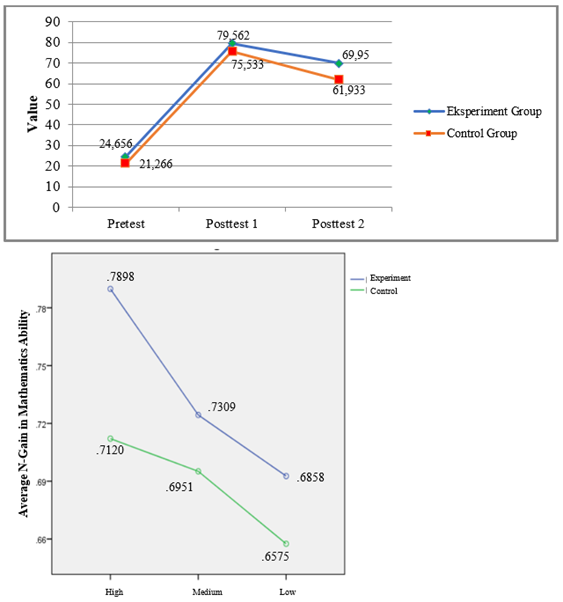
Knowledge retention of students learning mathematics with culture and technology: A study of junior high school students
Abstract views: 0
PDF downloads: 0
509-528 Pages
Siprianus Suban Garak, Damianus D. Samo, Imelda Paulina Soko
The transition from Pedagogical Content Knowledge (PCK) to Technological-Pedagogical-Content Knowledge (TPACK) underscores the need for a more meaningful integration of technology into mathematics teaching. Yet, this paradigm shift has not been accompanied by substantial gains in students'...
-
 Preview | Apr 28, 2026
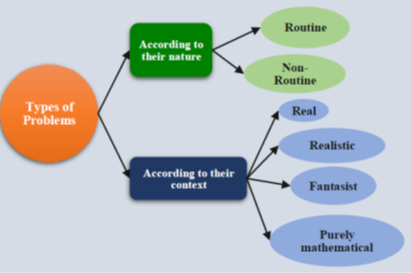
Types of mathematical difficulties experienced by secondary school students in problem solving
Abstract views: 0
PDF downloads: 0
529-544 Pages
Verónica Díaz
Throughout the history of scientific knowledge development, we can find a wide variety of difficulties that, although potentially error-prone, have contributed to the advancement of science. This study was conducted with the aim of identifying pupils’ performance and the difficulties in...
-
 Preview | Apr 29, 2026
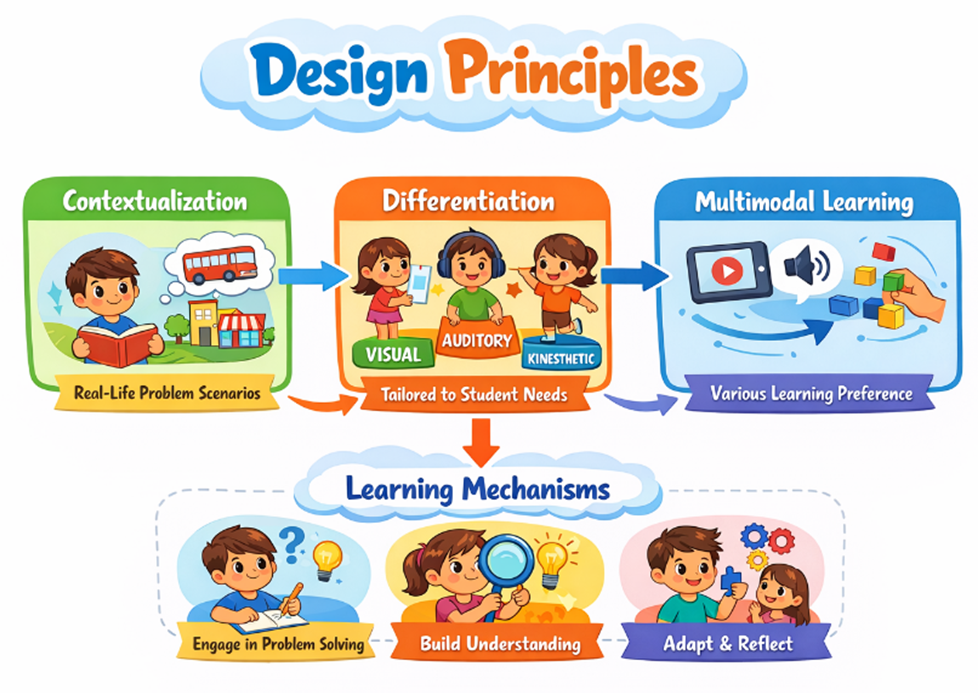
Enhancing junior high school students’ numeracy through differentiated contextual worksheets
Abstract views: 0
PDF downloads: 0
545-570 Pages
Cita Dwi Rosita, Setiyani Setiyani, Idin Muhidin, Laela Sagita
Improving students’ numeracy requires learning that is meaningful and closely connected to real-life contexts. Currently, most materials lack a differentiated numeracy approach, limiting their ability to support diverse student needs effectively. This study aims to develop contextual...
-
 Preview | Apr 30, 2026
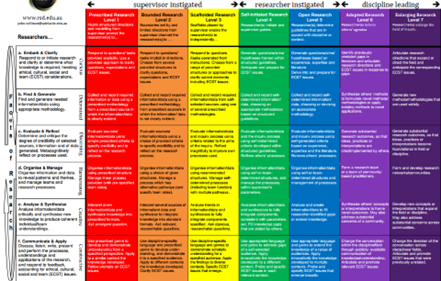
An analysis of Indonesian and Malaysian postgraduate students’ mathematical problem-solving behavior using research skill development framework
Abstract views: 0
PDF downloads: 0
571-594 Pages
Yulyanti Harisman, Hafizatunnisa Hafizatunnisa, Aqilul Asra, Armiati Armiati, Suherman Suherman, Mazlini Adnan, Yoppy Wahyu Purnomo, Pipin Sumarni, Hamdani Syaputra
Problem-solving behavior is a crucial skill for postgraduate students. However, research employing the Research Skill Development (RSD) framework to improve the skill across different cultural contexts and genders is limited. This study aims to analyze the problem-solving behavior of...
-
 Preview | May 2, 2026
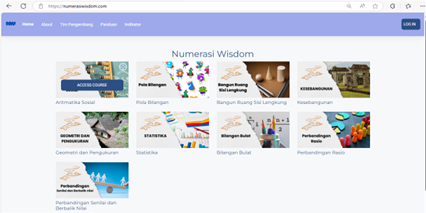
Numeracy website of local wisdom in mathematics learning: Metacognitive approach and mathematical reflective thinking ability
Abstract views: 0
PDF downloads: 0
595-622 Pages
Hepsi Nindiasari, Heris Hendriana, Maman Fathurrohman, Nia Kania Kurniawati, Dinar Nirmalasari, Rofiroh Rofiroh, Agus Ruhimat
This research is motivated by the low numeracy ability and mathematical reflective thinking. The metacognitive approach trains students to understand problems, make connections, develop problem-solving strategies, and evaluate and reflect on their work. Numeracy in it is related to the context...
-
 Preview | May 2, 2026
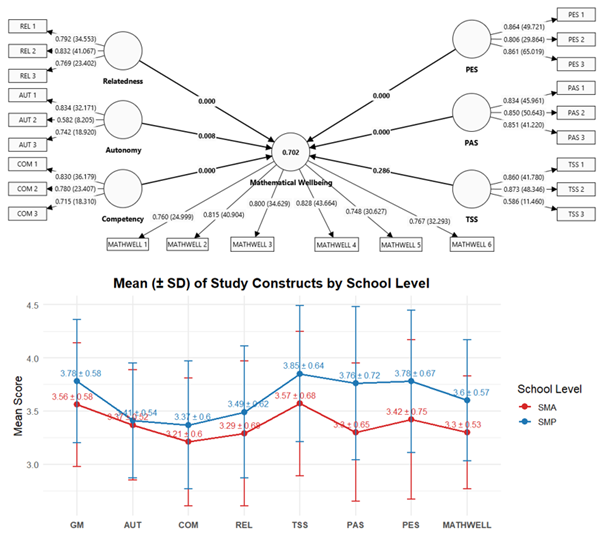
Predicting mathematics well-being in secondary school students: An integrated model of self-determination and social support in Indonesia
Abstract views: 0
PDF downloads: 0
623-642 Pages
Tommy Tanu Wijaya, Herdian Herdian, Shile Chang, Houssam El-Kasti, Guillermo Bautista, Jr., Zsolt Lavicza
Improving students’ mathematical wellbeing is important because it supports their positive feelings toward mathematics and contributes to better learning outcomes. However, limited research has explored which factors influence mathematical wellbeing from the students’ own perspective. This...
Articles
Digital geometry worksheets with an agro-tourism context: A catalyst for rational thinking in generation alpha
Abstract views: 0
PDF downloads: 0
319-344 Pages
Nyimas Aisyah,
Department of Mathematics Education, Universitas Sriwijaya,
Indonesia
Hapizah Hapizah,
Department of Mathematics Education, Universitas Sriwijaya,
Indonesia
Meryansumayeka Meryansumayeka,
Department of Mathematics Education, Universitas Sriwijaya,
Indonesia
Siti Mistima Maat,
Faculty of Education, Universiti Kebangsaan Malaysia,
Malaysia
Design-based research on instructional lessons for differential calculus incorporating Desmos
Abstract views: 0
PDF downloads: 0
345-370 Pages
Tiew Mee Chien,
School of Foundation Studies, University of Technology Sarawak,
Malaysia
Kwan Eu Leong,
Department of Mathematics and Science Education, Faculty of Education, Universiti Malaya,
Malaysia
Kah Heng Chua,
Department of Mathematics and Science Education, Faculty of Education, Universiti Malaya,
Malaysia
Interactivity and accessibility in TPACK-integrated e-learning to enhance the quality of calculus learning
Abstract views: 0
PDF downloads: 0
371-390 Pages
Andi Alim Syahri,
Department of Doctoral Program in Education, Universitas Muhammadiyah Makassar,
Indonesia
Irwan Akib,
Department of Mathematics Education, Universitas Muhammadiyah Makassar,
Indonesia
Sukmawati Sukmawati,
Department of Education, Universitas Muhammadiyah Makassar,
Indonesia
Effect of Van Hiele group guided-discovery instructional approach on student engagement in learning plane geometry
Abstract views: 0
PDF downloads: 0
391-420 Pages
Alemayehu Anbess Gebremeskel,
Hawassa College of Teacher Education and Bahir Dar University,
Ethiopia
Mulugeta Atnafu Ayele,
Addis Ababa University,
Ethiopia
Adem Mohammed Ahmed,
Bahir Dar University,
Ethiopia
Cultural heritage as a mathematical context: Interpretation of set theory in spatial layout of Prambanan temple
Abstract views: 0
PDF downloads: 0
421-438 Pages
Rully Charitas Indra Prahmana,
Department of Doctoral Program in Education, Universitas Ahmad Dahlan,
Indonesia
Irma Risdiyanti,
Department of Doctoral Program in Mathematics Education, Universitas Sriwijaya,
Indonesia
Nur Robiah Nofikusumawati Peni,
Department of Mathematics Education, Universitas Ahmad Dahlan,
Indonesia
Satoshi Kusaka,
Department of Human Education, Naruto University of Education,
Japan
Khairullah Khairullah,
Department of Mathematics Education, Universitas Ahmad Dahlan,
Indonesia
Rahmi Ramadhani,
Department of Informatics, Universitas Potensi Utama,
Indonesia
Binti Anisaul Khasanah,
Department of Doctoral Program in Education, Universitas Ahmad Dahlan,
Indonesia
Lekë Pepkolaj,
Department of Computer Science, Metropolitan Tirana University,
Albania
Examining mathematics teachers’ perceptions of concept mapping to facilitate meaningful learning
Abstract views: 0
PDF downloads: 0
439-462 Pages
Rahmah Johar,
Department of Mathematics Education, Universitas Syiah Kuala and The Research Center of Realistic Mathematics Education, Universitas Syiah Kuala,
Indonesia
Cut Khairunnisak,
Department of Mathematics Education, Universitas Syiah Kuala,
Indonesia
Cut Morina Zubainur,
Department of Mathematics Education, Universitas Syiah Kuala,
Indonesia
Abdul Halim Abdullah,
Jabatan Pendidikan Sains dan Matematik Inovatif, Universiti Teknologi Malaysia,
Malaysia
Liza Indriyani,
The Research Center of Realistic Mathematics Education, Universitas Syiah Kuala,
Indonesia
Developing a TPACK-based e-module for first order differential equations to enhance the pedagogical competence of pre-service mathematics teachers
Abstract views: 0
PDF downloads: 0
463-482 Pages
Ika Meika,
Department of Mathematics Education, Universitas Mathla'ul Anwar,
Indonesia
Nenden Suciyati Sartika,
Department of Mathematics Education, Universitas Mathla'ul Anwar,
Indonesia
Asep Sujana,
Department of Mathematics Education, Universitas Mathla'ul Anwar,
Indonesia
Hasbi Assidik,
Department of Mathematics Education, Universitas Mathla'ul Anwar,
Indonesia
Ika Safitri Windiarti,
Department of Information Technology, Universiti Muhammadiyah Malaysia,
Malaysia
Rully Mujiastuti,
Department of Information Technology, Universitas Muhammadiyah Jakarta,
Indonesia
Hendra Hendra,
Department of Information Technology, Universitas Muhammadiyah Jakarta,
Indonesia
E-Miracle: An inquiry-realistic digital module to support students’ 6C competencies
Abstract views: 0
PDF downloads: 0
483-508 Pages
Risma Amelia,
Department of Mathematics Education, Universitas Pendidikan Indonesia,
Indonesia
Tatang Herman,
Department of Mathematics Education, Universitas Pendidikan Indonesia,
Indonesia
Dadan Dasari,
Department of Mathematics Education, Universitas Pendidikan Indonesia,
Indonesia
Al Jupri,
Department of Mathematics Education, Universitas Pendidikan Indonesia,
Indonesia
Knowledge retention of students learning mathematics with culture and technology: A study of junior high school students
Abstract views: 0
PDF downloads: 0
509-528 Pages
Siprianus Suban Garak,
Department of Mathematics Education, Nusa Cendana University,
Indonesia
Damianus D. Samo,
Department of Mathematics Education, Nusa Cendana University,
Indonesia
Imelda Paulina Soko,
Department of Educational Technology, Universitas Terbuka,
Indonesia
Types of mathematical difficulties experienced by secondary school students in problem solving
Abstract views: 0
PDF downloads: 0
529-544 Pages
Verónica Díaz,
Universidad de Los Lagos, Instituto Interuniversitario de Investigación Educativa IESED-CHILE,
Chile
Enhancing junior high school students’ numeracy through differentiated contextual worksheets
Abstract views: 0
PDF downloads: 0
545-570 Pages
Cita Dwi Rosita,
Department of Mathematics Education, Universitas Swadaya Gunung Jati,
Indonesia
Setiyani Setiyani,
Department of Mathematics Education, Universitas Swadaya Gunung Jati,
Indonesia
Idin Muhidin,
Postgraduate Program in Mathematics Education, Universitas Swadaya Gunung Jati,
Indonesia
Laela Sagita,
Department of Mathematics Education, Universitas PGRI Yogyakarta,
Indonesia
An analysis of Indonesian and Malaysian postgraduate students’ mathematical problem-solving behavior using research skill development framework
Abstract views: 0
PDF downloads: 0
571-594 Pages
Yulyanti Harisman,
Department of Mathematics, Universitas Negeri Padang,
Indonesia
Hafizatunnisa Hafizatunnisa,
Department of Mathematics, Universitas Negeri Padang,
Indonesia
Aqilul Asra,
Department of Mathematics, Universitas Negeri Padang,
Indonesia
Armiati Armiati,
Department of Mathematics, Universitas Negeri Padang,
Indonesia
Suherman Suherman,
Department of Mathematics, Universitas Negeri Padang,
Indonesia
Mazlini Adnan,
Department of Mathematics, Univerisiti Pendidikan Sultan Idris,
Malaysia
Yoppy Wahyu Purnomo,
Department of Elementary School, Universitas Negeri Yogyakarta,
Indonesia
Pipin Sumarni,
Department of Mathematics, Universitas Negeri Padang,
Indonesia
Hamdani Syaputra,
Department of Mathematics, Universitas Negeri Padang,
Indonesia
Numeracy website of local wisdom in mathematics learning: Metacognitive approach and mathematical reflective thinking ability
Abstract views: 0
PDF downloads: 0
595-622 Pages
Hepsi Nindiasari,
Department of Mathematics Education, Universitas Sultan Ageng Tirtayasa,
Indonesia
Heris Hendriana,
Department of Mathematics Education, Institut Keguruan dan Ilmu Pendidikan Siliwangi,
Indonesia
Maman Fathurrohman,
Department of Mathematics Education, Universitas Sultan Ageng Tirtayasa,
Indonesia
Nia Kania Kurniawati,
Department of Communication, Universitas Sultan Ageng Tirtayasa,
Indonesia
Dinar Nirmalasari,
Department of Mathematics Education, Universitas Sultan Ageng Tirtayasa,
Indonesia
Rofiroh Rofiroh,
Department of Mathematics Education, Universitas Sultan Ageng Tirtayasa,
Indonesia
Agus Ruhimat,
Departement of Industrial Engineering, Universitas Muhammadiyah Tangerang,
Indonesia
Predicting mathematics well-being in secondary school students: An integrated model of self-determination and social support in Indonesia
Abstract views: 0
PDF downloads: 0
623-642 Pages
Tommy Tanu Wijaya,
Faculty of Psychology, Universitas Muhammadiyah Purwokerto,
Indonesia
Herdian Herdian,
Faculty of Psychology, Universitas Muhammadiyah Purwokerto,
Indonesia
Shile Chang,
School of Mathematical Sciences, Beijing Normal University,
China
Houssam El-Kasti,
Department of General Education, Qatar University,
Qatar
Guillermo Bautista, Jr.,
UP NISMED, University of the Philippines-Diliman,
Philippines
Zsolt Lavicza,
Department of STEM Education, Linz School of Education, Johannes Kepler University,
Austria