
Infinity Journal Volume 15 Issue 2 (May 2026) has been available online since March 14, 2026, for the regular issue of May 2026. All articles in this issue (14 research articles) cover 67 authors from 10 countries of origin (Albania, Austria, Chile, China, Ethiopia, Indonesia, Japan, Malaysia, Philippines, and Qatar).
DOI: https://doi.org/10.22460/infinity.v15i2
Published: 2026-05-01
Articles
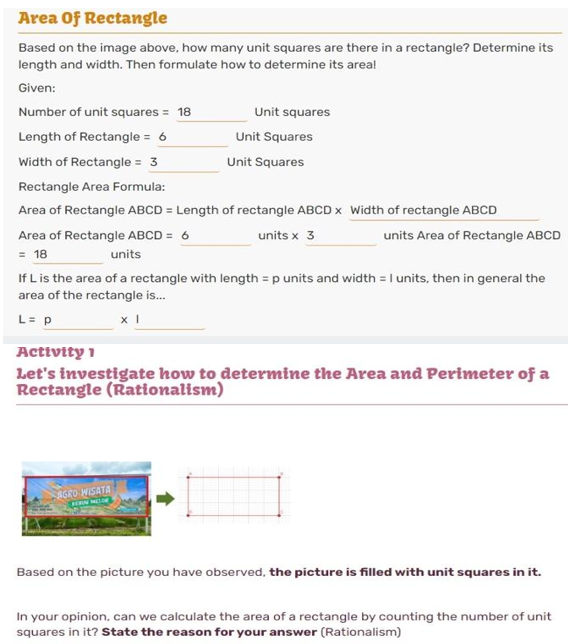
Digital geometry worksheets with an agro-tourism context: A catalyst for rational thinking in generation alpha
 DOI:
DOI:  Abstract views: 0
 PDF downloads: 0
319-344 Pages
 Nyimas Aisyah,
Department of Mathematics Education, Universitas Sriwijaya,
Indonesia
Hapizah Hapizah,
Department of Mathematics Education, Universitas Sriwijaya,
Indonesia
Meryansumayeka Meryansumayeka,
Department of Mathematics Education, Universitas Sriwijaya,
Indonesia
Siti Mistima Maat,
Faculty of Education, Universiti Kebangsaan Malaysia,
Malaysia
Nyimas Aisyah,
Department of Mathematics Education, Universitas Sriwijaya,
Indonesia
Hapizah Hapizah,
Department of Mathematics Education, Universitas Sriwijaya,
Indonesia
Meryansumayeka Meryansumayeka,
Department of Mathematics Education, Universitas Sriwijaya,
Indonesia
Siti Mistima Maat,
Faculty of Education, Universiti Kebangsaan Malaysia,
Malaysia
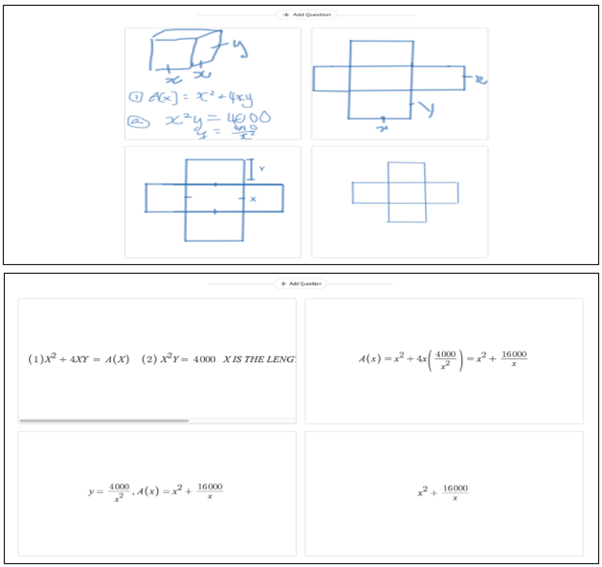
Design-based research on instructional lessons for differential calculus incorporating Desmos
Abstract views: 0
PDF downloads: 0
345-370 Pages
Tiew Mee Chien,
School of Foundation Studies, University of Technology Sarawak,
Malaysia
Kwan Eu Leong,
Department of Mathematics and Science Education, Faculty of Education, Universiti Malaya,
Malaysia
Kah Heng Chua,
Department of Mathematics and Science Education, Faculty of Education, Universiti Malaya,
Malaysia
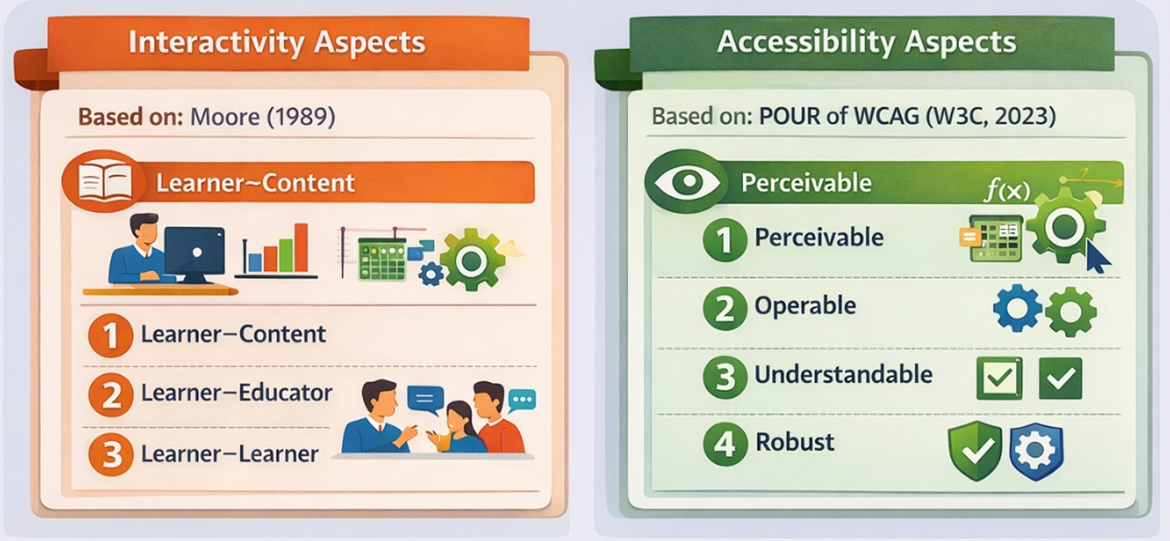
Interactivity and accessibility in TPACK-integrated e-learning to enhance the quality of calculus learning
Abstract views: 0
PDF downloads: 0
371-390 Pages
Andi Alim Syahri,
Department of Doctoral Program in Education, Universitas Muhammadiyah Makassar,
Indonesia
Irwan Akib,
Department of Mathematics Education, Universitas Muhammadiyah Makassar,
Indonesia
Sukmawati Sukmawati,
Department of Education, Universitas Muhammadiyah Makassar,
Indonesia
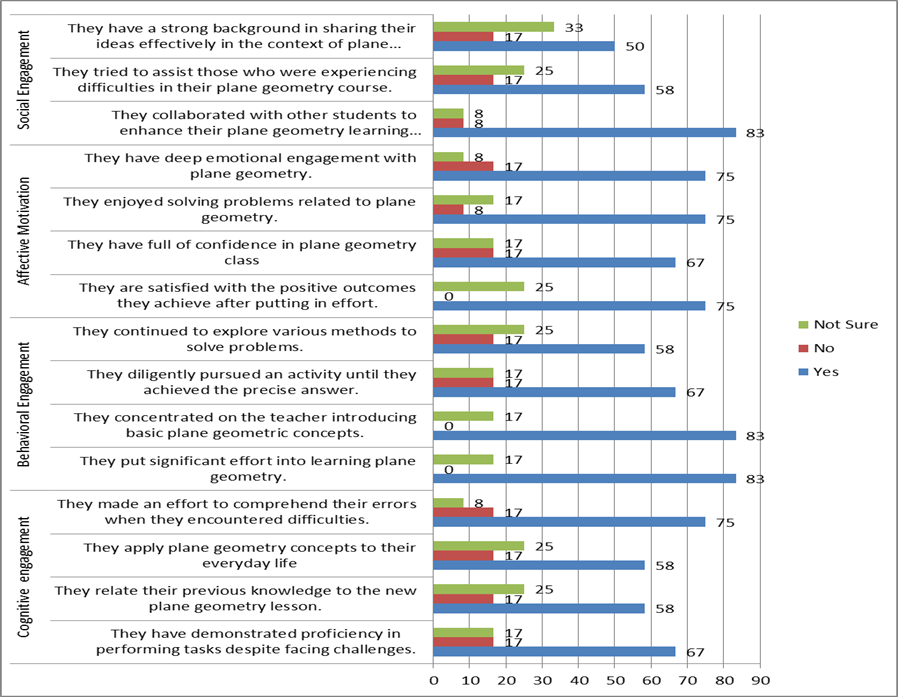
Effect of Van Hiele group guided-discovery instructional approach on student engagement in learning plane geometry
Abstract views: 0
PDF downloads: 0
391-420 Pages
Alemayehu Anbess Gebremeskel,
Hawassa College of Teacher Education and Bahir Dar University,
Ethiopia
Mulugeta Atnafu Ayele,
Addis Ababa University,
Ethiopia
Adem Mohammed Ahmed,
Bahir Dar University,
Ethiopia
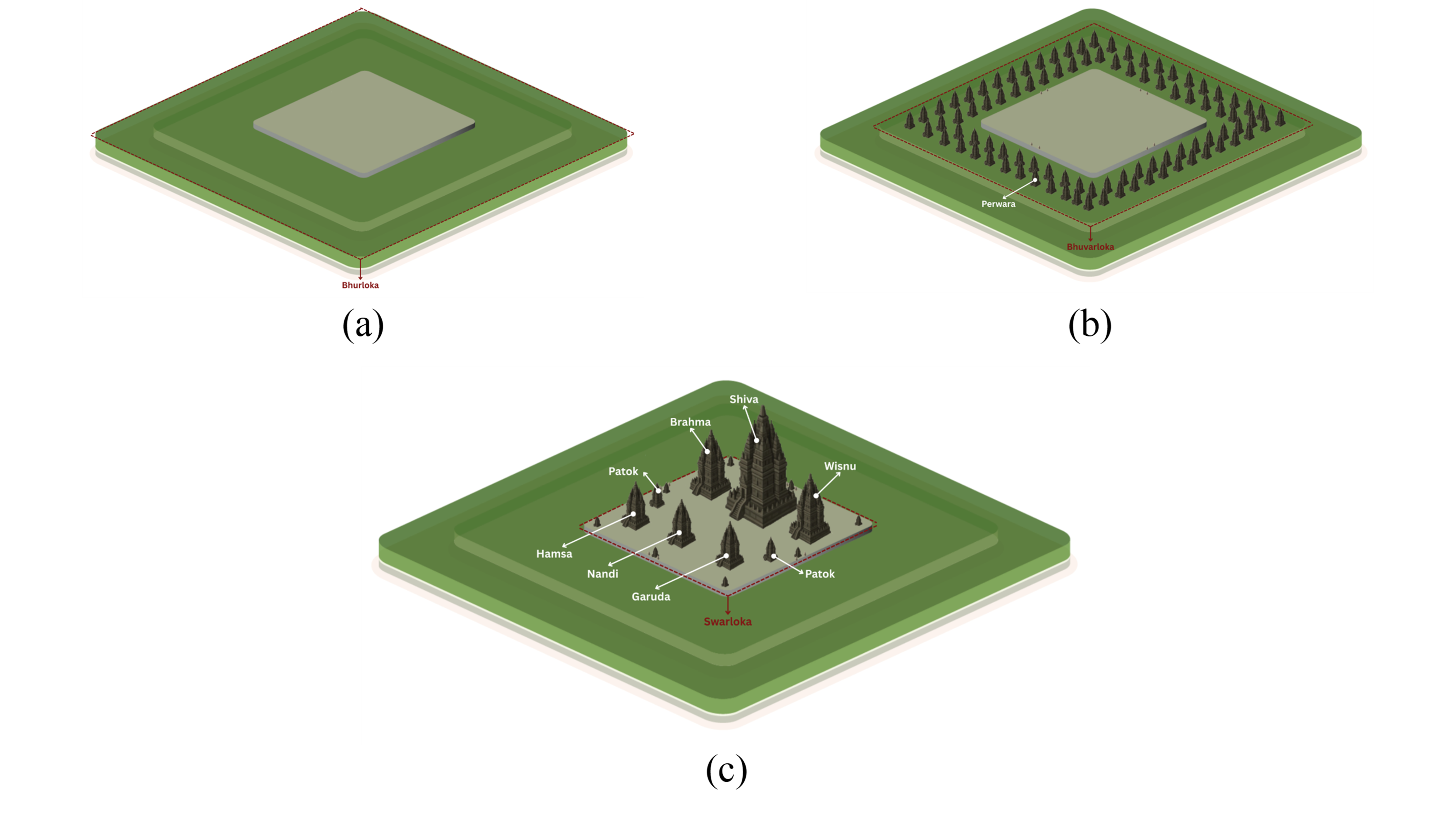
Cultural heritage as a mathematical context: Interpretation of set theory in spatial layout of Prambanan temple
Abstract views: 0
PDF downloads: 0
421-438 Pages
Rully Charitas Indra Prahmana,
Department of Doctoral Program in Education, Universitas Ahmad Dahlan,
Indonesia
Irma Risdiyanti,
Department of Doctoral Program in Mathematics Education, Universitas Sriwijaya,
Indonesia
Nur Robiah Nofikusumawati Peni,
Department of Mathematics Education, Universitas Ahmad Dahlan,
Indonesia
Satoshi Kusaka,
Department of Human Education, Naruto University of Education,
Japan
Khairullah Khairullah,
Department of Mathematics Education, Universitas Ahmad Dahlan,
Indonesia
Rahmi Ramadhani,
Department of Informatics, Universitas Potensi Utama,
Indonesia
Binti Anisaul Khasanah,
Department of Doctoral Program in Education, Universitas Ahmad Dahlan,
Indonesia
Lekë Pepkolaj,
Department of Computer Science, Metropolitan Tirana University,
Albania
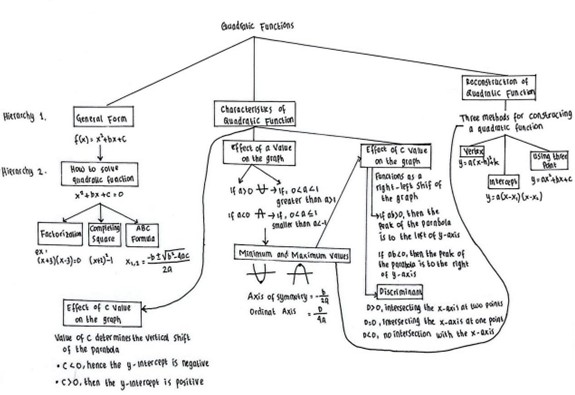
Examining mathematics teachers’ perceptions of concept mapping to facilitate meaningful learning
Abstract views: 0
PDF downloads: 0
439-462 Pages
Rahmah Johar,
Department of Mathematics Education, Universitas Syiah Kuala and The Research Center of Realistic Mathematics Education, Universitas Syiah Kuala,
Indonesia
Cut Khairunnisak,
Department of Mathematics Education, Universitas Syiah Kuala,
Indonesia
Cut Morina Zubainur,
Department of Mathematics Education, Universitas Syiah Kuala,
Indonesia
Abdul Halim Abdullah,
Jabatan Pendidikan Sains dan Matematik Inovatif, Universiti Teknologi Malaysia,
Malaysia
Liza Indriyani,
The Research Center of Realistic Mathematics Education, Universitas Syiah Kuala,
Indonesia
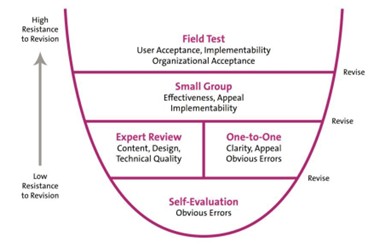
Developing a TPACK-based e-module for first order differential equations to enhance the pedagogical competence of pre-service mathematics teachers
Abstract views: 0
PDF downloads: 0
463-482 Pages
Ika Meika,
Department of Mathematics Education, Universitas Mathla'ul Anwar,
Indonesia
Nenden Suciyati Sartika,
Department of Mathematics Education, Universitas Mathla'ul Anwar,
Indonesia
Asep Sujana,
Department of Mathematics Education, Universitas Mathla'ul Anwar,
Indonesia
Hasbi Assidik,
Department of Mathematics Education, Universitas Mathla'ul Anwar,
Indonesia
Ika Safitri Windiarti,
Department of Information Technology, Universiti Muhammadiyah Malaysia,
Malaysia
Rully Mujiastuti,
Department of Information Technology, Universitas Muhammadiyah Jakarta,
Indonesia
Hendra Hendra,
Department of Information Technology, Universitas Muhammadiyah Jakarta,
Indonesia
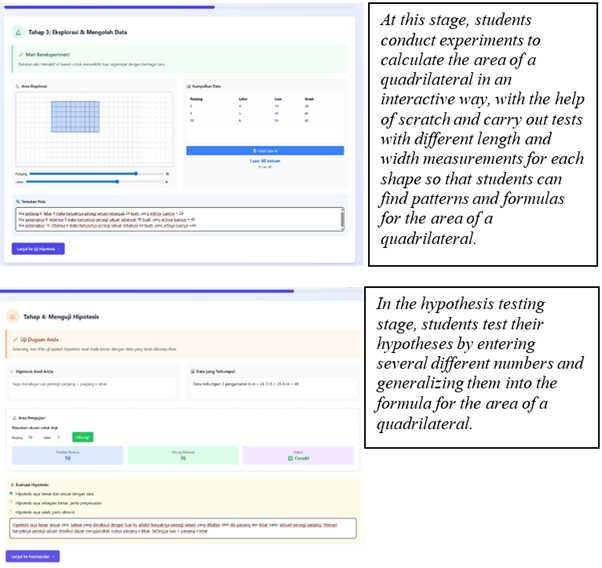
E-Miracle: An inquiry-realistic digital module to support students’ 6C competencies
Abstract views: 0
PDF downloads: 0
483-508 Pages
Risma Amelia,
Department of Mathematics Education, Universitas Pendidikan Indonesia,
Indonesia
Tatang Herman,
Department of Mathematics Education, Universitas Pendidikan Indonesia,
Indonesia
Dadan Dasari,
Department of Mathematics Education, Universitas Pendidikan Indonesia,
Indonesia
Al Jupri,
Department of Mathematics Education, Universitas Pendidikan Indonesia,
Indonesia
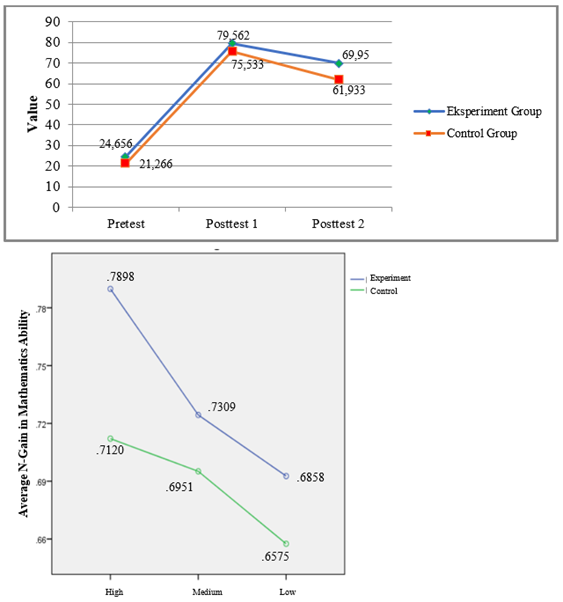
Knowledge retention of students learning mathematics with culture and technology: A study of junior high school students
Abstract views: 0
PDF downloads: 0
509-528 Pages
Siprianus Suban Garak,
Department of Mathematics Education, Nusa Cendana University,
Indonesia
Damianus D. Samo,
Department of Mathematics Education, Nusa Cendana University,
Indonesia
Imelda Paulina Soko,
Department of Educational Technology, Universitas Terbuka,
Indonesia
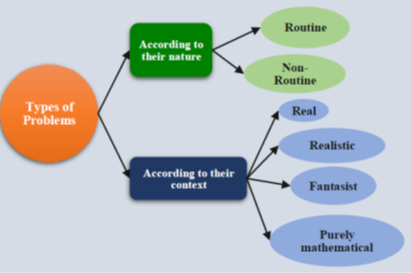
Types of mathematical difficulties experienced by secondary school students in problem solving
Abstract views: 0
PDF downloads: 0
529-544 Pages
Verónica Díaz,
Universidad de Los Lagos, Instituto Interuniversitario de Investigación Educativa IESED-CHILE,
Chile
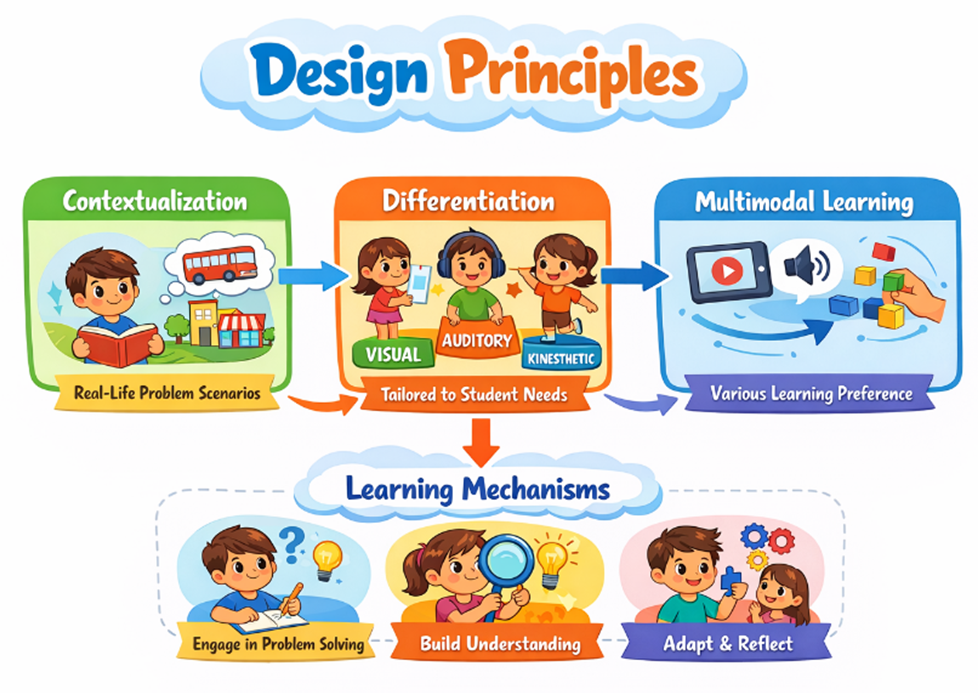
Enhancing junior high school students’ numeracy through differentiated contextual worksheets
Abstract views: 0
PDF downloads: 0
545-570 Pages
Cita Dwi Rosita,
Department of Mathematics Education, Universitas Swadaya Gunung Jati,
Indonesia
Setiyani Setiyani,
Department of Mathematics Education, Universitas Swadaya Gunung Jati,
Indonesia
Idin Muhidin,
Postgraduate Program in Mathematics Education, Universitas Swadaya Gunung Jati,
Indonesia
Laela Sagita,
Department of Mathematics Education, Universitas PGRI Yogyakarta,
Indonesia
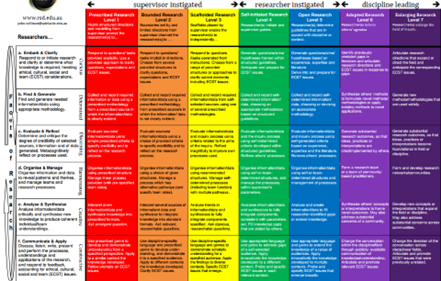
An analysis of Indonesian and Malaysian postgraduate students’ mathematical problem-solving behavior using research skill development framework
Abstract views: 0
PDF downloads: 0
571-594 Pages
Yulyanti Harisman,
Department of Mathematics, Universitas Negeri Padang,
Indonesia
Hafizatunnisa Hafizatunnisa,
Department of Mathematics, Universitas Negeri Padang,
Indonesia
Aqilul Asra,
Department of Mathematics, Universitas Negeri Padang,
Indonesia
Armiati Armiati,
Department of Mathematics, Universitas Negeri Padang,
Indonesia
Suherman Suherman,
Department of Mathematics, Universitas Negeri Padang,
Indonesia
Mazlini Adnan,
Department of Mathematics, Univerisiti Pendidikan Sultan Idris,
Malaysia
Yoppy Wahyu Purnomo,
Department of Elementary School, Universitas Negeri Yogyakarta,
Indonesia
Pipin Sumarni,
Department of Mathematics, Universitas Negeri Padang,
Indonesia
Hamdani Syaputra,
Department of Mathematics, Universitas Negeri Padang,
Indonesia
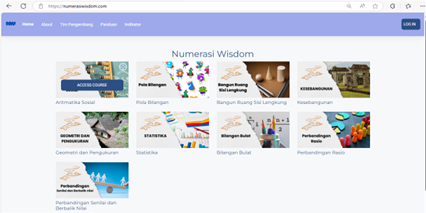
Numeracy website of local wisdom in mathematics learning: Metacognitive approach and mathematical reflective thinking ability
Abstract views: 0
PDF downloads: 0
595-622 Pages
Hepsi Nindiasari,
Department of Mathematics Education, Universitas Sultan Ageng Tirtayasa,
Indonesia
Heris Hendriana,
Department of Mathematics Education, Institut Keguruan dan Ilmu Pendidikan Siliwangi,
Indonesia
Maman Fathurrohman,
Department of Mathematics Education, Universitas Sultan Ageng Tirtayasa,
Indonesia
Nia Kania Kurniawati,
Department of Communication, Universitas Sultan Ageng Tirtayasa,
Indonesia
Dinar Nirmalasari,
Department of Mathematics Education, Universitas Sultan Ageng Tirtayasa,
Indonesia
Rofiroh Rofiroh,
Department of Mathematics Education, Universitas Sultan Ageng Tirtayasa,
Indonesia
Agus Ruhimat,
Departement of Industrial Engineering, Universitas Muhammadiyah Tangerang,
Indonesia
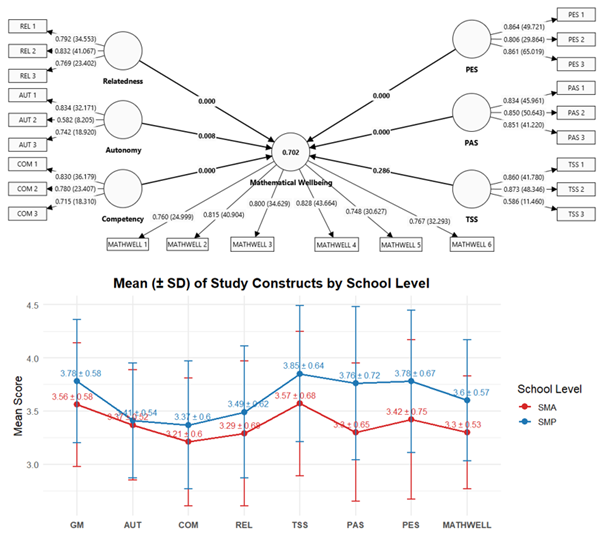
Predicting mathematics well-being in secondary school students: An integrated model of self-determination and social support in Indonesia
Abstract views: 0
PDF downloads: 0
623-642 Pages
Tommy Tanu Wijaya,
Faculty of Psychology, Universitas Muhammadiyah Purwokerto,
Indonesia
Herdian Herdian,
Faculty of Psychology, Universitas Muhammadiyah Purwokerto,
Indonesia
Shile Chang,
School of Mathematical Sciences, Beijing Normal University,
China
Houssam El-Kasti,
Department of General Education, Qatar University,
Qatar
Guillermo Bautista, Jr.,
UP NISMED, University of the Philippines-Diliman,
Philippines
Zsolt Lavicza,
Department of STEM Education, Linz School of Education, Johannes Kepler University,
Austria